
What Wedding Dress Alterations Are Actually Necessary?
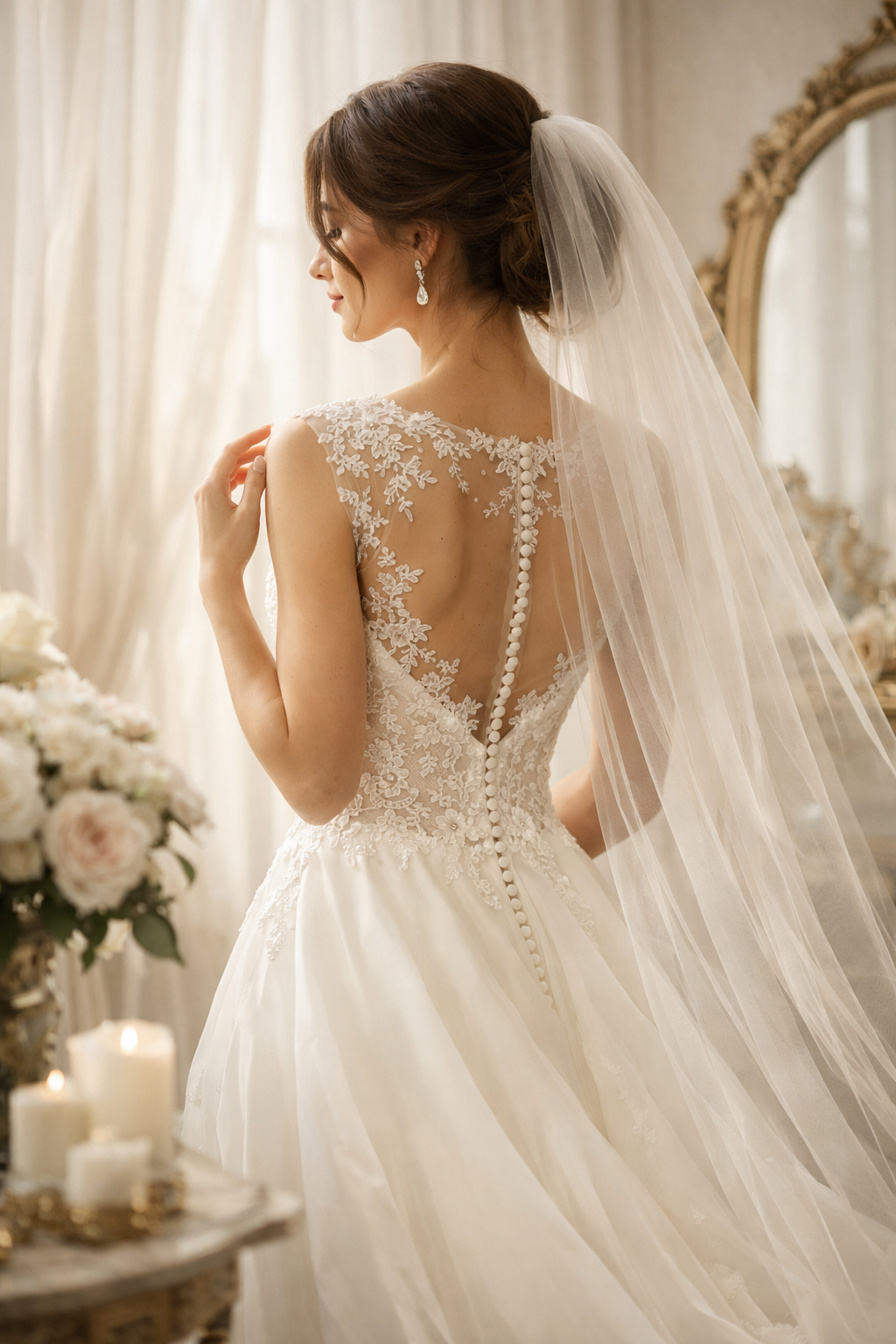
Every bride dreams of the moment her dress fits perfectly—like it was made just for her. But here’s the truth: even the most beautiful gown often needs a few thoughtful adjustments to truly come to life.
If you’re wondering what alterations are actually necessary (and what’s optional), this guide will walk you through everything you need to know—simply and elegantly.
Why Wedding Dress Alterations Matter
Bridal gowns are designed to fit a range of body types, not your body specifically. Alterations transform your dress from “almost right” into something that feels effortless, comfortable, and completely yours.
A well-altered gown:
Enhances your natural shape
Improves comfort and movement
Ensures everything stays secure throughout your day
Elevates the overall look and finish
✨ Think of alterations as the final step in couture—where everything becomes intentional.
Ready to begin your fitting journey? Book your bridal alterations consultation here.
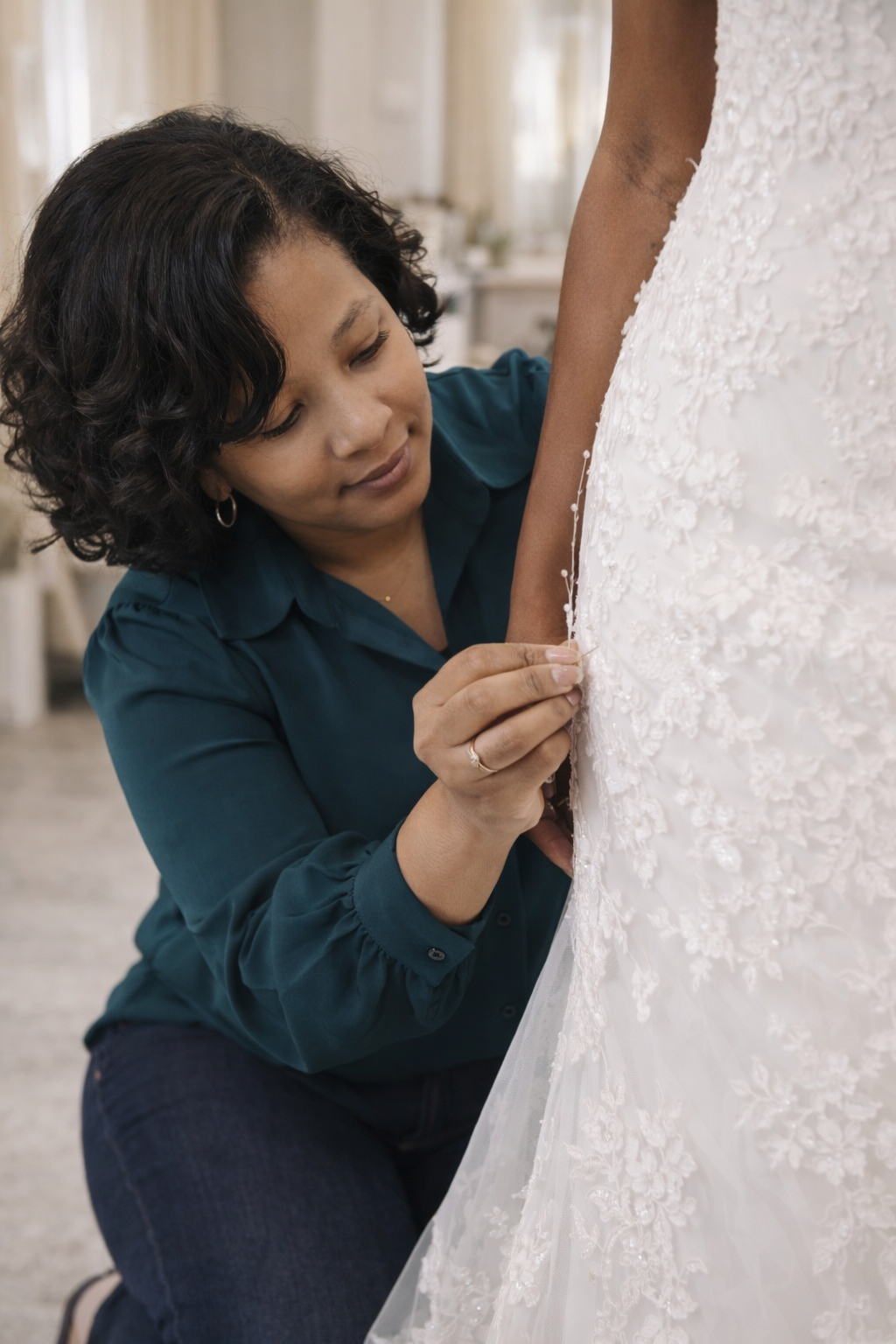
The Essential Wedding Dress Alterations
These are the most common—and often necessary—adjustments brides need:
1. Hemming the Length
Unless you’re the exact height the gown was designed for, hemming is almost always required.
This ensures:
You don’t trip while walking
Your shoes are perfectly showcased
The gown flows gracefully
Learn more about what’s included in my bridal alterations services.
2. Taking In or Letting Out the Bodice
A snug, supportive fit through the bodice is essential. This area affects posture, comfort, and confidence.
Alterations here may include:
Taking in the waist or bust
Letting out seams (if possible)
Adjusting structure for better support
3. Bustle for the Train
If your gown has a train, a bustle is a must.
It allows you to:
Move freely during your reception
Dance comfortably
Protect delicate fabrics
4. Strap & Sleeve Adjustments
Straps that fall or dig in can affect both comfort and fit.
Common fixes:
Shortening straps
Adding support
Adjusting sleeve fit
Considering adding sleeves or custom touches? Explore my custom bridal accessory services.
Not sure if your dress is eligible for sleeves? Read our previous post Can you add sleeves to a wedding dress?
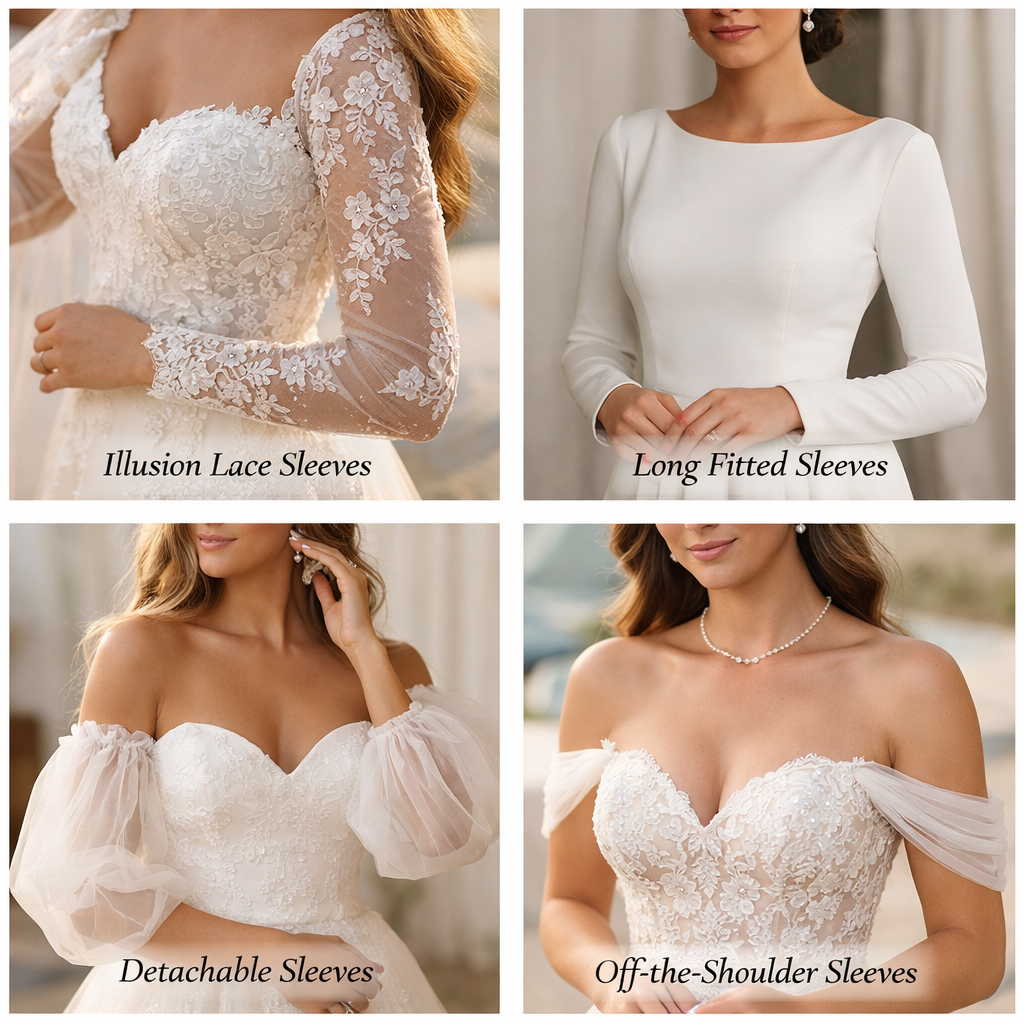
Alterations That Are Optional (But Worth Considering)
These aren’t always required—but they can elevate your gown beautifully:
5. Adding Sleeves or Coverage
Perfect for brides wanting a softer, modest, or more romantic look.
6. Reshaping the Neckline
A subtle change can completely transform the feel of your gown.
7. Custom Embellishments
Think:
Lace appliqué
Beading
Personal touches that reflect your story
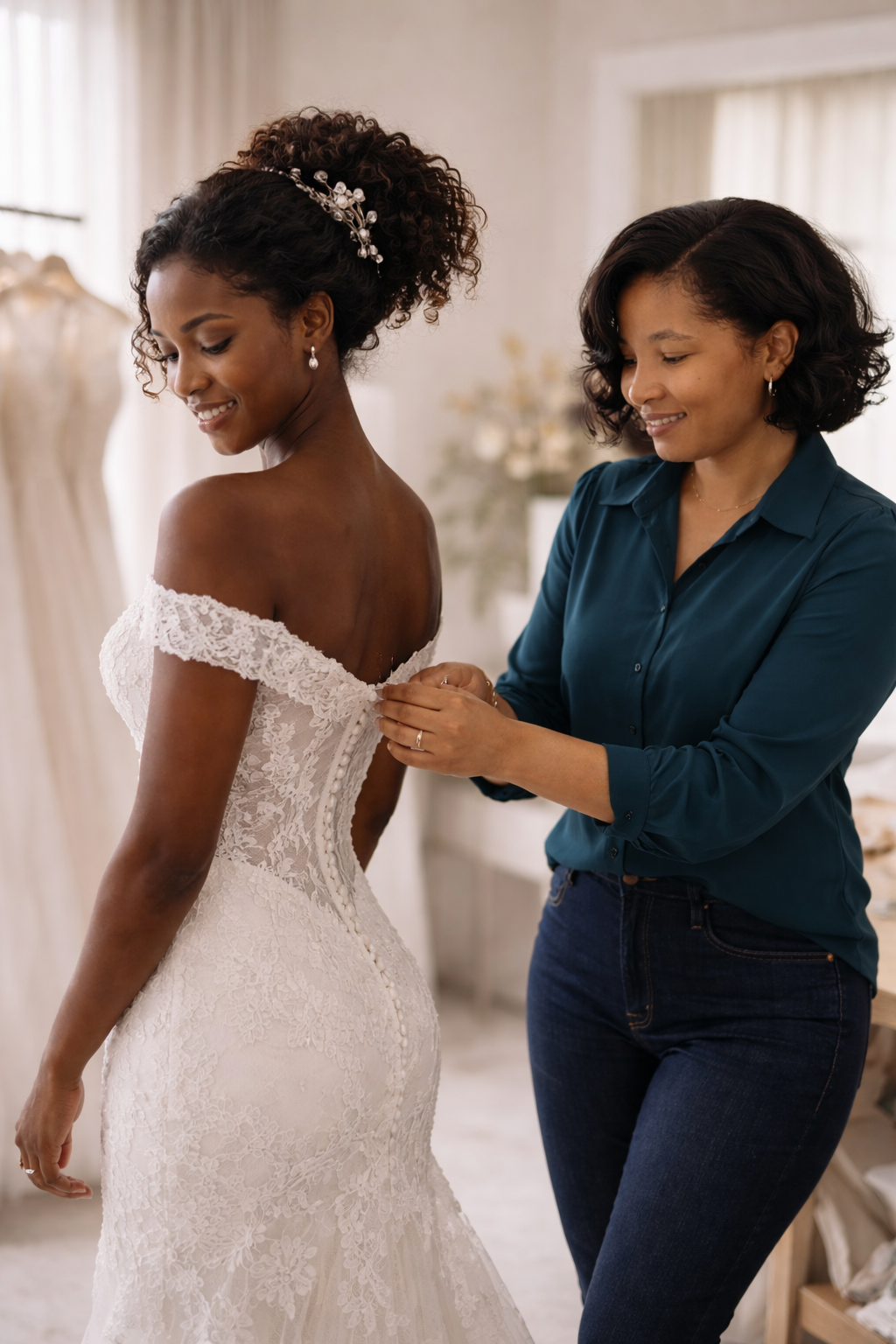
How Many Fittings Will You Need?
Typically, brides need 2–3 fittings to achieve the perfect result.
First fitting: Initial adjustments
Second fitting: Refinement
Final fitting: Perfection
Need a quicker turnaround? View our bridal alterations timeline guide or contact me directly.
A Gentle Reminder
Not every alteration is necessary—but the right ones make all the difference.
Your gown should move with ease, inspire confidence, and embody luxury—
all while feeling undeniably you.
Begin Your Bridal Fitting Experience
At Courtné Pinder Couturier, each alteration is approached with care, precision, and a deep understanding of bridal design.
✨ Soft. Intentional. Beautifully fitted.
As you continue your bridal journey, you may find it helpful to explore “When Should You Start Wedding Dress Alterations? A Bride’s Timeline Guide” for a clear, stress-free timeline, or “Can You Add Sleeves to a Wedding Dress?” if you’re considering a soft, custom touch. Each guide is created to support you in making thoughtful, confident decisions for your gown.
